
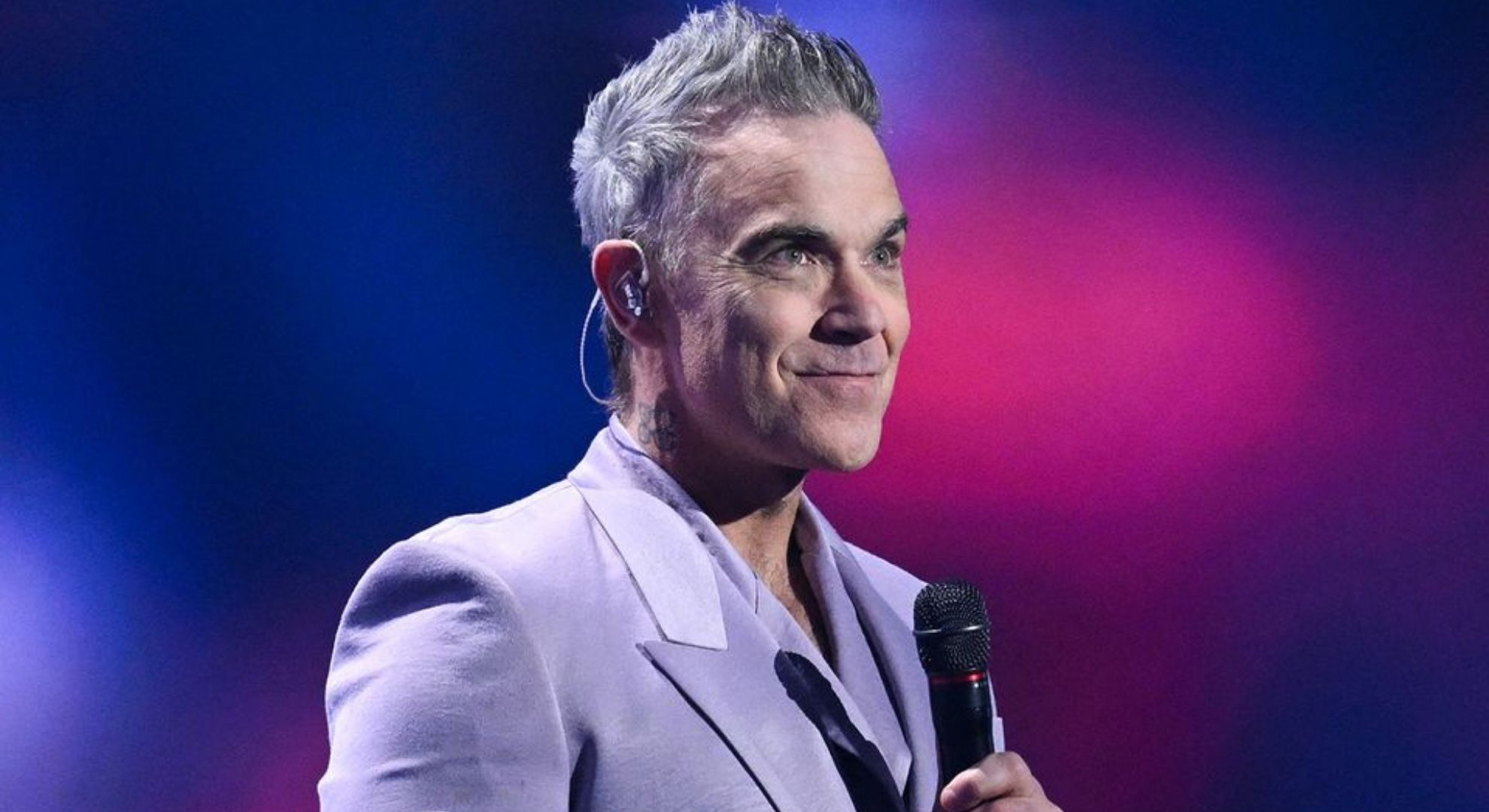
It’s the kind of story that challenges the image of success in the music industry. Behind one of the most widely played songs in the world lies a striking contradiction: a track that generated millions, dominated airwaves and streaming platforms—yet, according to its creator, brought him no financial return at all.
A paradox that highlights how complex—and sometimes unbalanced—the economics of music can be.
A worldwide hit with no personal payoff
The song quickly became a global phenomenon. It was broadcast on radio stations across continents, featured in commercials, and accumulated massive streaming numbers. Revenue flowed through multiple channels, benefiting producers, labels, distributors, and rights holders.
But the original creator claims he was left out entirely.
“I hear my song everywhere, but I’ve never received a single payment,” he says.
A statement that raises immediate questions about how such a situation can occur.
How this can happen
In the music industry, income distribution depends heavily on contracts signed early in the process. Artists may give up ownership rights—sometimes unknowingly—in exchange for exposure or initial support.
Several factors can lead to this kind of outcome:
- Signing unfavorable contracts at the start of a career
- Transferring copyright or publishing rights to third parties
- Lack of legal guidance during negotiations
- Confusion between songwriting rights and recording rights
- Complex revenue structures tied to streaming and licensing
In such cases, a song can generate significant income while the original creator receives little—or nothing.
The cost of early opportunities
For many artists, early career decisions are made under pressure. The promise of visibility and a breakthrough often outweighs long-term financial considerations.
At that stage, the balance of power typically favors industry professionals with experience and resources, leaving creators at a disadvantage.
A recurring issue in the industry
Although awareness has improved, similar situations still occur. The rise of streaming platforms and global distribution has made revenue flows more fragmented and less transparent.
In some cases, disputes only emerge years later—once a song achieves major commercial success and the financial stakes become clear.
A growing awareness among artists
More artists are now paying closer attention to contract terms and ownership structures. Access to information and legal support is becoming a critical factor in protecting creative work.
This story serves as a reminder that behind every global hit lies a complex network of agreements—where recognition does not always translate into compensation.
